Neutral cost data · July 2026
What car shipping actually costs.
Page one is brokers running quote calculators built to capture your phone number, not to price your move. We don't ship cars, so we have no reason to lowball you.
How the pricing worksWhat it should cost
No route, no email, no phone number. Just the number.
Aggregated from published market pricing, 2026-07. A range, not a quote.
Cost per mile
The longer the haul, the cheaper the mile
A carrier's fixed costs (loading, permits, the driver's day) don't shrink just because your route does. Spread over a few hundred miles they dominate the price. Spread over a few thousand they barely register.

- Under 500 mi $1.25–$2.00
- 500-1,500 mi $0.65–$1.20
- Over 1,500 mi $0.55–$0.95
Open transport, per mile. Rates as of 2026-07, reviewed 2026-07-02. Enclosed runs 30–60% more. Open vs. enclosed →

Method
Why this number is different from the one you were quoted
A broker's quote is an opening bid, not a price. It wins your contact details, and the real figure arrives later, once an actual carrier has bid on the load and the number has had time to climb. Nothing about that first number was ever a commitment.
Ours is built the other way around. Every band on this site comes from published transport pricing, aggregated across independent sources, then dated, because rates move with fuel and season and a figure without a date is a figure without a meaning. Nobody pays for placement. No carrier buys their way into a range. We don't ship cars, broker loads, or sell your details to someone who does, which is the entire reason the ranges are worth reading.
It's a range on purpose. A single number would be easier to read and would be a lie: the same car on the same lane clears at different prices in April and October. What you get here is the band a route actually clears at, with the part nobody quotes you up front left in.
Where the numbers come from
- FreightWaves Checkpoint, "How Much Does It Cost To Ship a Car in 2026?" verified 2026-07-02; published 2026-05-29; per-mile bands by distance, enclosed premium, vehicle-type ranges, inoperable surcharge
- Motorcycle Shippers, "Motorcycle Shipping Prices" verified 2026-07-02; motorcycle per-mile range and total cost band
- CitizenShipper Blog, "Average Cost Per Mile to Ship a Motorcycle" verified 2026-07-02; motorcycle per-mile range cross-check
- A1 Auto Transport, "RV Shipping Cost Per Mile" verified 2026-07-02; RV drive-away vs flatbed per-mile bands
- Monarch Transportation Group, "Boat Transport Guide: Costs, Methods & Tips 2026" verified 2026-07-02; boat per-mile bands by distance
- National Car Transport, "Classic Car Shipping Cost 2026" verified 2026-07-02; classic car total cost band
- Monarch Transportation Group, "2026 Car Shipping Scams: Spot These 5 Red Flags Now" verified 2026-07-02; deposit/balance structure, lowball-quote mechanics, red flags
- Compare The Carrier, "Auto Transport Companies To Avoid 2026" verified 2026-07-02; scam red flags, 25%-below-market signal
Rates as of July 2026. Last reviewed 2026-07-02, and re-verified quarterly. Our editorial independence policy →
The wedge
This is the mechanism nearly the entire industry runs on. It is also the whole reason this site exists: once you know what the route really costs, the lowball stops working on you.

Why the cheapest quote is usually a trap
Page one for almost any car-shipping search is brokers running a quote calculator built to capture your phone number, not to price your move honestly. Here's the mechanism, plainly.
- A broker quotes you a price that looks great, often well under what the route actually costs to move.
- You book and often pay a deposit. The broker now has your business locked in.
- The broker shops your load to actual carriers. No carrier will take it at the lowball price, because carriers know their real costs.
- Days pass. Eventually the broker calls back: the price has to go up, or your pickup keeps getting pushed.
- You're stuck. Cancel and lose the deposit, or pay the new, higher price. Either way, the "great deal" was never real.
Red flags to check before you book
- A quote that's noticeably below every other quote you got for the same route and vehicle. A price roughly 25% under the market average is the classic warning sign.
- A broker who wants a deposit before telling you which carrier will actually move your car.
- Contract language that lets the price change with no cap, buried in the fine print as an "estimate subject to change."
- Pressure to book immediately, or a countdown-style urgency pitch. Legitimate carriers don't need to rush you.
- No physical address, no verifiable FMCSA/USDOT number, or reviews that are suspiciously uniform and recent.
A legitimate carrier or broker asks for a modest deposit, usually $100-$200, often only after a carrier is actually dispatched to your vehicle. The balance is paid to the driver at delivery. If the numbers on your quote don't look like that, ask why before you sign anything.
The equipment
What actually shows up
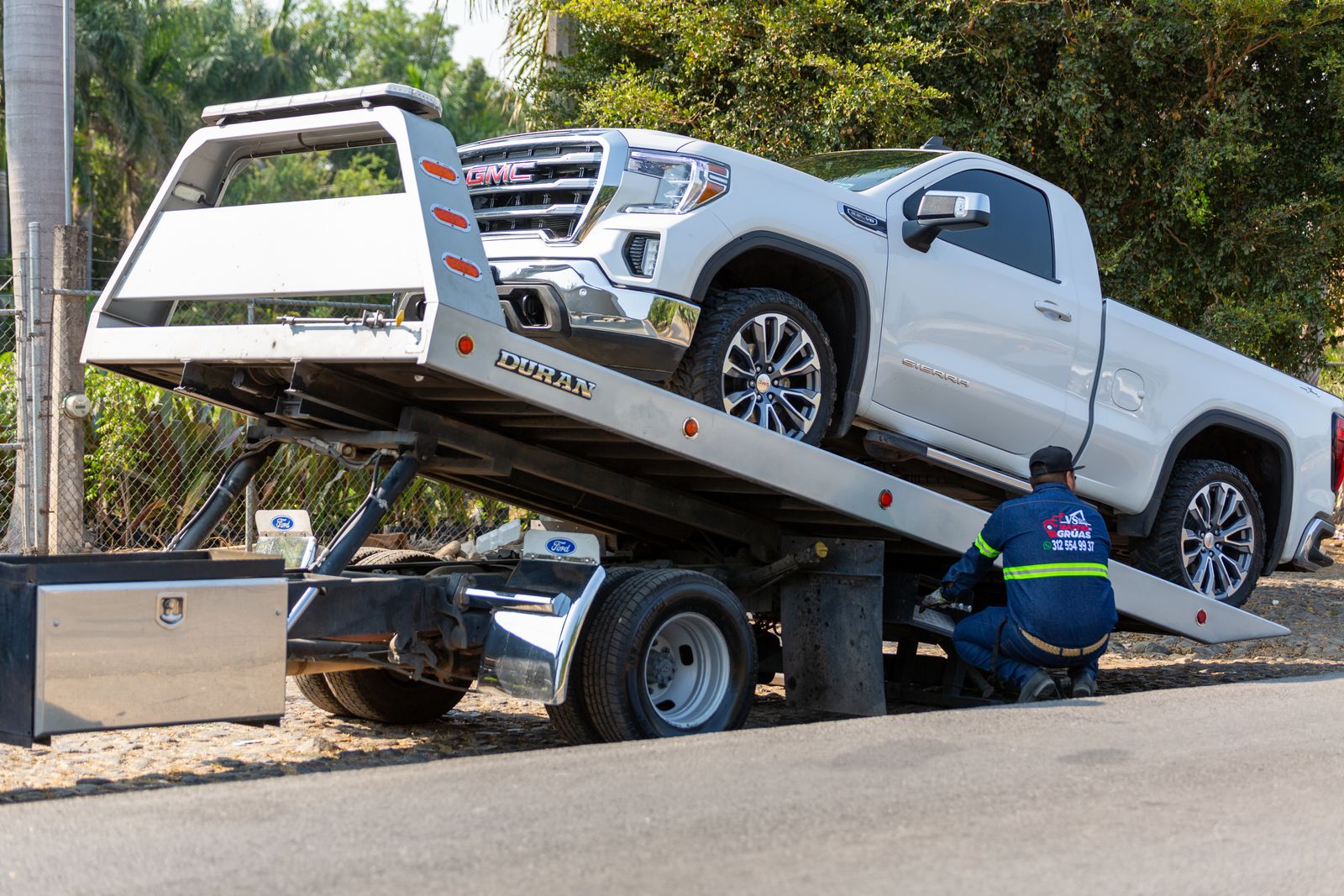
Most quotes never show you the truck. This is an open hauler, the same kind that will collect a typical cross-country move, loaded the same way yours will be.
By vehicle
Not everything on a carrier is a sedan
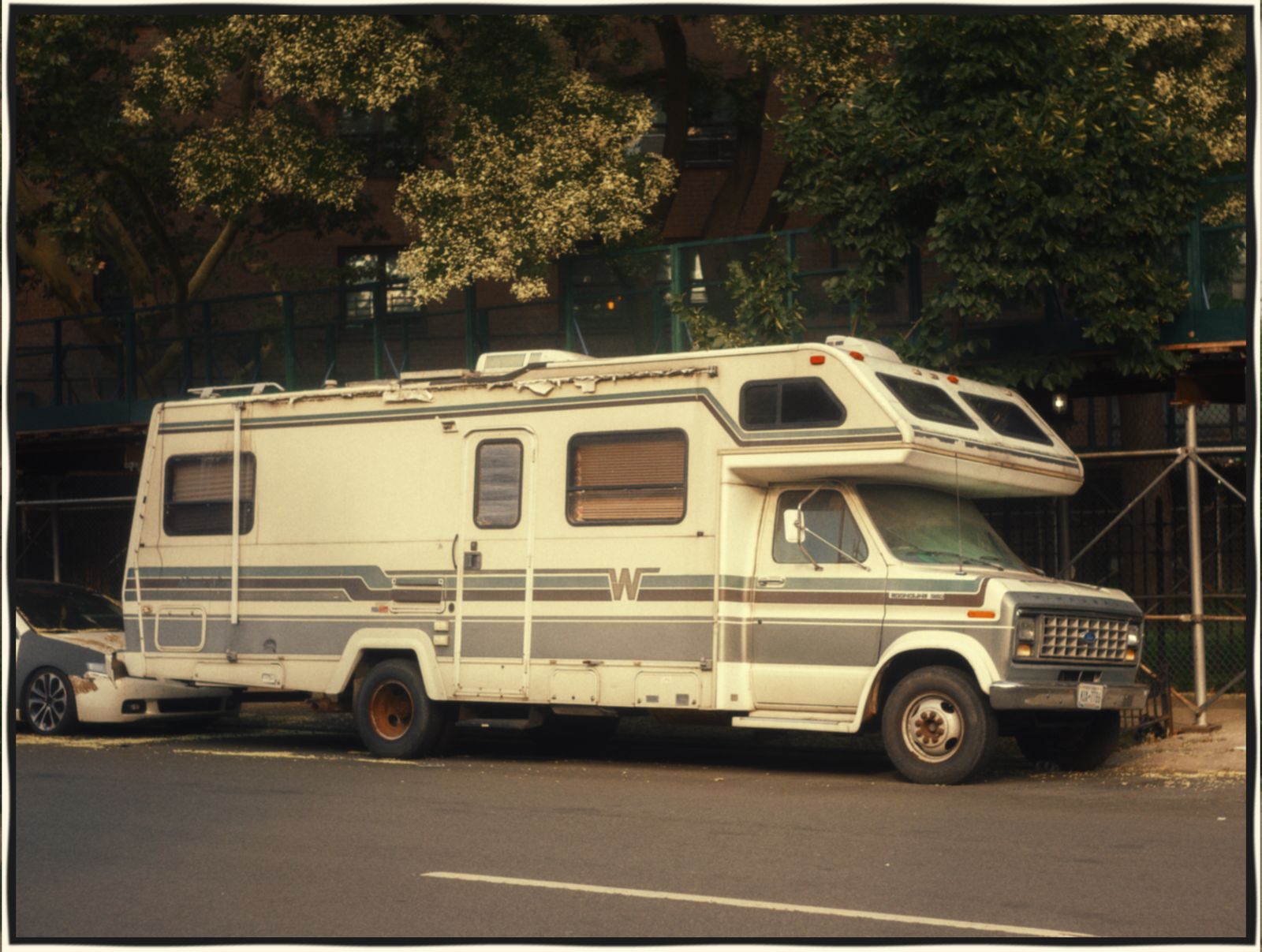
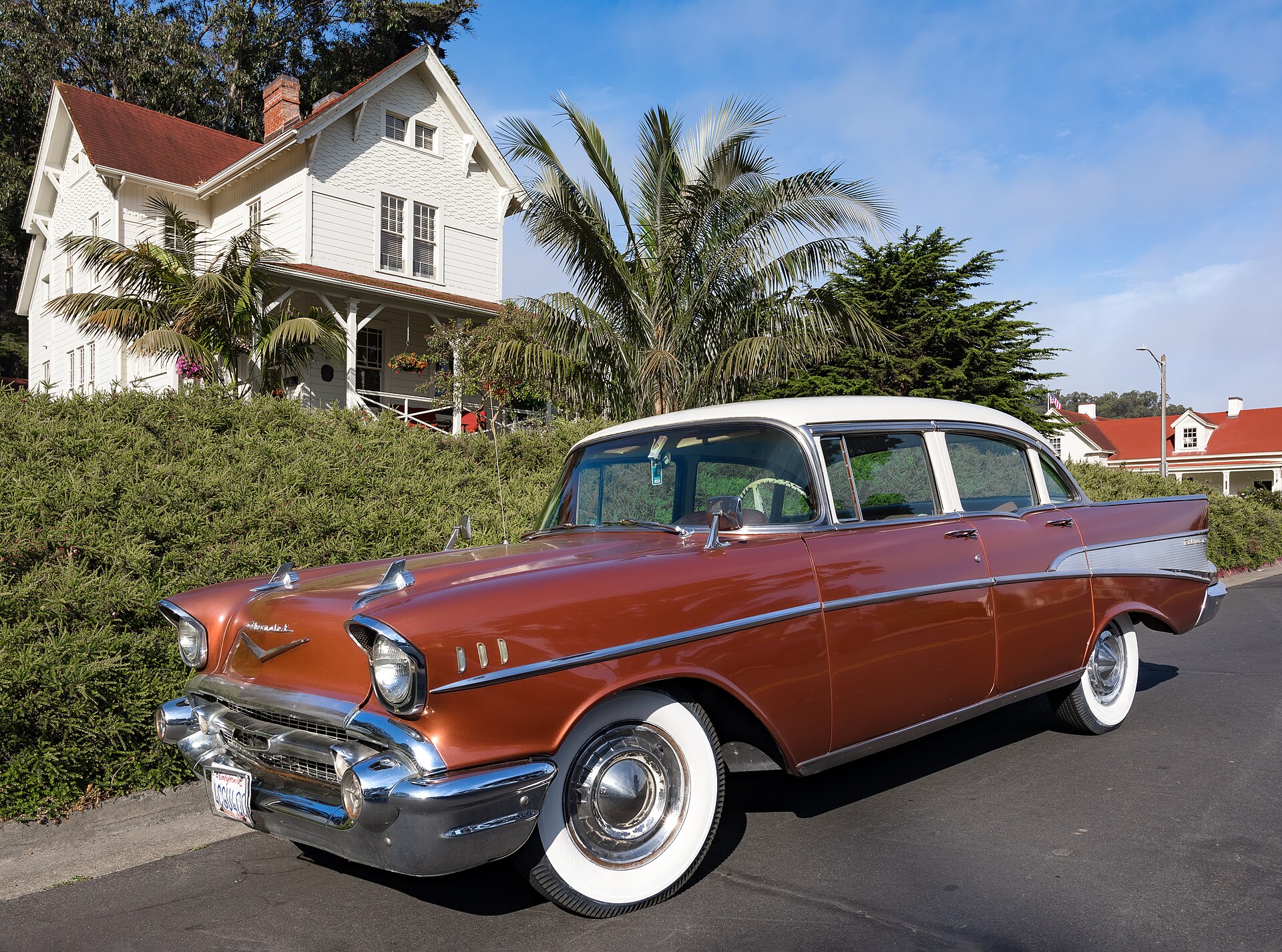
A bike, a motorhome and a boat are priced on completely different maths: per-mile bands, drive-away rates, beam width. Each one has its own page.
-

Mario Amé via Pexels (Pexels License)
-
Bryan Mendez via Pexels (Pexels License)
-

-
-

Andrew LaBonne via Pexels (Pexels License)
Before you book