Colorado to Washington Car Shipping Cost
What it actually costs to ship a car from Colorado to Washington in 2026-07: an honest 856-1,580 dollar open-transport range, from published market pricing.
Representative lane: Denver, CO to Seattle, WA (1,317 mi). Colorado and Washington are large states; your exact pickup and drop-off cities will shift the distance and price somewhat.

Estimated cost
$856 – $1,580
Open transport · 1,317 mi
Enclosed: $1,113 – $2,529
Typical transit: 3–7 days
This is an honest estimate built from published market pricing, not a locked quote from any single carrier or broker. Rates as of 2026-07, reviewed 2026-07-02.
How much does it cost to ship a car from Colorado to Washington?
Expect $856 to $1,580 for open transport on this 1,317-mile lane, or $1,113 to $2,529 enclosed, as of 2026-07. Those figures cover a Denver, CO to Seattle, WA move. That’s a real range, not a lowball number designed to get your phone number.
This lane is thinner than the big coastal corridors. Less freight runs between the Rockies and the Pacific Northwest, and fewer trucks competing for your car is what pushes the top of this range up relative to the distance. Patience pays here more than almost anywhere else.


Why this lane costs what it costs
Colorado to Washington is a long-haul move, and long hauls cost less per mile than short ones. A carrier moving your car 1,317 miles spreads its fixed costs (fuel, driver time, tolls) across a lot of pavement, so the per-mile rate drops compared to a 300-mile move across one state. Don’t be surprised if a shorter in-state quote looks more expensive per mile. That’s normal, not a mistake.
Demand on this lane matters too. Seasonal swings push some Colorado-Washington routes up 10-25% at peak, when everyone wants to move at once. If your timing lines up with a busy stretch, expect the top of the range, not the bottom.
The terrain is the part people underestimate. This route crosses real mountains, and passes close. A winter booking here carries more schedule risk than the mileage suggests, and a carrier who has run it before will price that in rather than pretend it away.
What you’re moving is the other factor. A truck or a larger SUV takes up more deck space and weight than a sedan and prices higher for it. If the car won’t start or roll it needs a winch to load, and on a thin lane the carrier who shows up may not carry one, so say so when you book. A non-runner sprung on the driver at pickup is how a firm price becomes a driveway renegotiation.

How long does this route take?
Typical transit for this distance runs 3-7 days, depending on the carrier’s route and how many other stops it makes along the way.
That spread comes down to the carrier, not just the distance. A truck running close to a direct route lands near the low end, while one making several other pickups and drop-offs pushes toward the high end. Your car rides with several others, and the driver works a loop that makes economic sense for the whole load, not for you specifically.
On a thin lane the wait for a truck to get dispatched is often the longer half of the trip, and it runs from the day you book, not the day the car moves. Once a carrier has it, the delivery date is still only a target: weather, mountain passes, and federal hours-of-service limits all move it. Our transit-time guide covers what drives the spread.
Is a lower quote for this route ever legitimate?
Sometimes, but a quote significantly below this range (roughly 25% under) is the classic red flag for a lowball-then-raise broker tactic. Ask who the actual carrier is before you pay a deposit.
A modest discount under $856 can be perfectly real. Pricing shifts by carrier, by truck availability, and by how badly someone wants your business that week. A driver repositioning north with an empty slot will take less than the going rate: a partly-full truck beats an empty one.
What’s not real is a number far under the floor, and on a lane with fewer trucks it’s less real than usual: there simply aren’t spare carriers willing to run it at a loss. The broker lists your car at the quoted figure, nobody takes it, and the load ages on the board. Then the call arrives. The truck fell through, rates rose, it’s a few hundred more, and your move-out is tomorrow. The quote was never a price. It was a way to hold your deposit while they went looking for the real one.
The counter is the same single question: who is the carrier? A broker with a genuine dispatch names the company, its DOT number, and its insurance without stalling. A broker still hoping a carrier bites can’t. Read how the deposit scam works before you part with money, and know what the carrier’s insurance covers before the truck arrives.

Open or enclosed on this run?
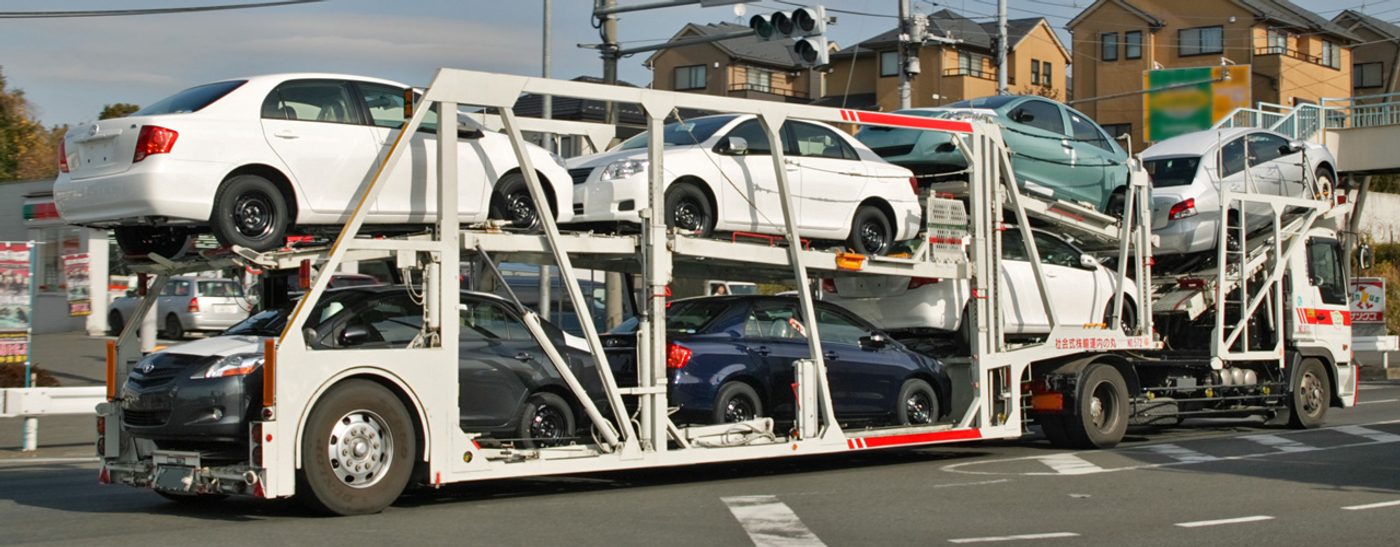
Open transport is the default, and for most cars it’s the right call. Enclosed runs $1,113 to $2,529 here, and enclosed carriers are scarcer on a route like this, so booking one may mean waiting longer as well as paying more. That trade is worth it for a collector car or a fresh restoration. For a daily driver, it’s money spent on a risk that mostly doesn’t materialize. The open versus enclosed breakdown compares them.
What to check before booking
Get quotes from more than one source and compare them against this range. Flexible pickup dates matter more on a thin lane than a busy one: give the carrier a window and your car gets slotted into a truck already making the run, which keeps you closer to the low end.
Inspect the car at both ends and photograph it before it loads. The condition report signed at pickup is the document any damage claim rests on, and a vague one helps the carrier, not you. New to the broker-versus-carrier distinction? Start here. Shipping the other way? See Seattle to Denver.