Motorcycle Shipping Cost: What It Actually Runs in 2026
Motorcycle shipping costs $300 to $1,200 on average, with most riders paying around $850. Here's the honest per-mile breakdown and what changes the price.
Typical cost range
$300 – $1,200
Open transport · 1,200 mi
This is an honest estimate built from published market pricing, not a locked quote from any single carrier or broker. Rates as of 2026-07, reviewed 2026-07-02.
A 300-mile motorcycle move can run $2.00 a mile. Push that same bike 2,000 miles and the rate drops to around $0.45 a mile. Total cost lands somewhere between $300 and $1,200 for most shipments, with $850 as a rough average across 2026 bookings. The math works the same way it does for cars: fixed carrier costs (fuel, driver time, loading) spread across more pavement on a long haul, so the per-mile number falls even as the total climbs. Zoom out across the whole market and per-mile rates settle around $0.40 to $1.50, higher on short hauls, lower cross-country, the same shape as the 300-mile and 2,000-mile examples above.
Why do motorcycles price differently than cars?
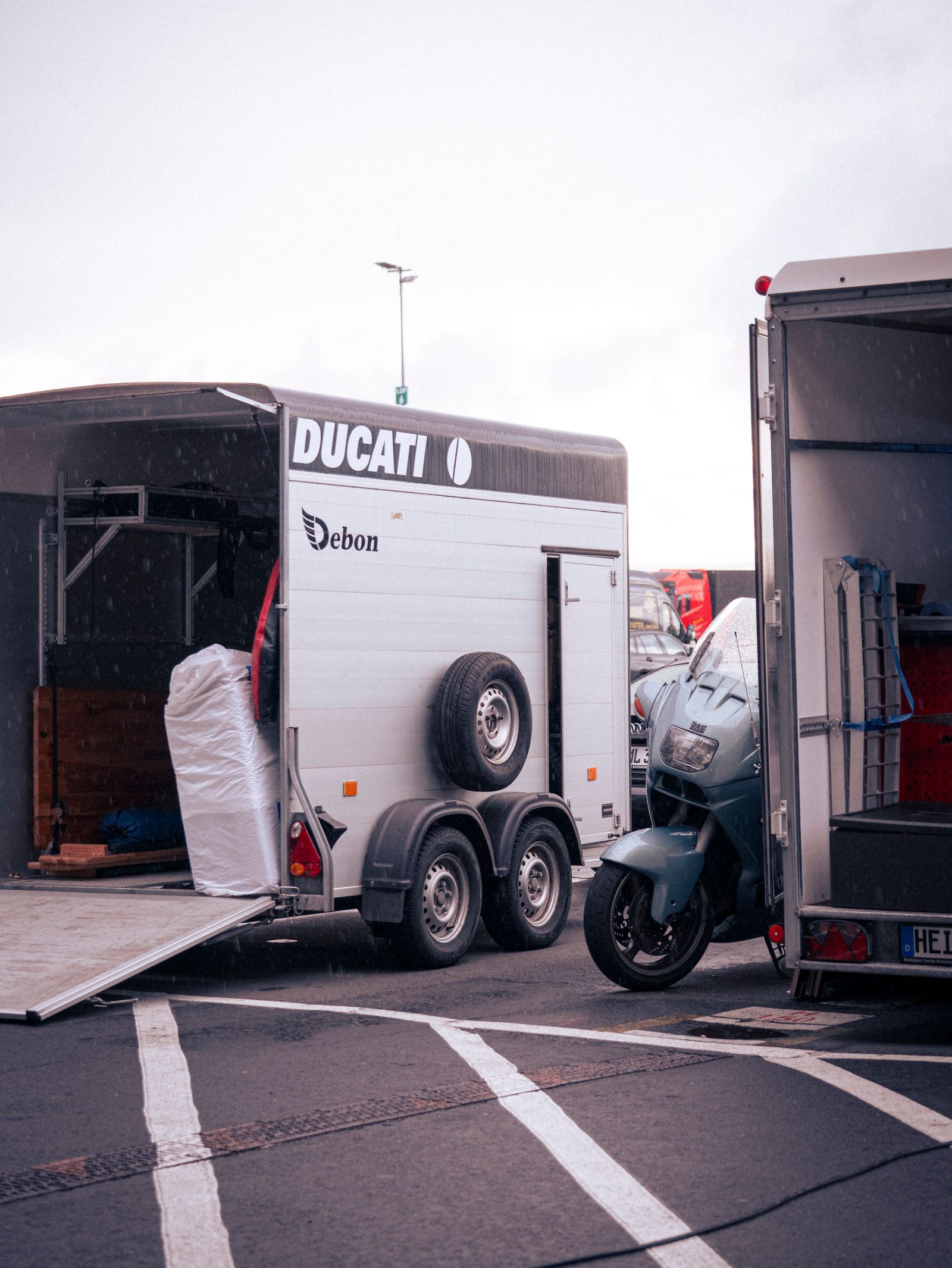
A motorcycle takes a fraction of the trailer space a sedan does, so carriers often combine several bikes on one run, or fit a bike into leftover space alongside cars. That flexibility can work in your favor on popular lanes and against you on obscure ones, where a carrier might wait to fill out a load before picking up your bike at all.
That waiting is the part riders underestimate. A car is the load. A bike is frequently the thing that rounds out the load, which means your pickup window can depend on someone else’s shipment materializing. On a busy corridor that’s a non-issue. On a lane nobody runs, it’s the difference between a quoted date and an actual one, and it’s worth asking a broker directly how often they move your specific route rather than accepting a confident guess.
Is motorcycle shipping cheaper than car shipping?
Per shipment, usually yes. A bike’s smaller footprint is exactly why it costs less to move than a car, shipment for shipment. Per mile, though, the rate bands overlap significantly with car shipping, especially on shorter routes. It isn’t a separate pricing world, just a smaller slice of the same trailer.
That distinction matters when you’re comparing quotes. A rider who expects motorcycle transport to be dramatically cheaper on a 200-mile hop is going to be disappointed, because short hauls carry the same fixed costs regardless of what’s being loaded. The savings show up in the total, not in some special rate that only bikes get.
When is the best time to book?
Spring and summer are peak motorcycle-shipping season. Riders pull bikes out of winter storage, buy at auction, or relocate for a new job, and demand for trailer space climbs. Booking a few weeks ahead of peak season tends to land better rates and faster pickup windows than a last-minute request in June.
The flip side is that flexibility is worth real money in this market. A rider who can accept a wider pickup window gives the carrier room to build an efficient load, and carriers price that convenience back to you. A hard date in peak season is the most expensive way to ship a bike. How long car shipping takes covers the transit math, which works the same way for two wheels as four.

Does a motorcycle need to be shipped enclosed?
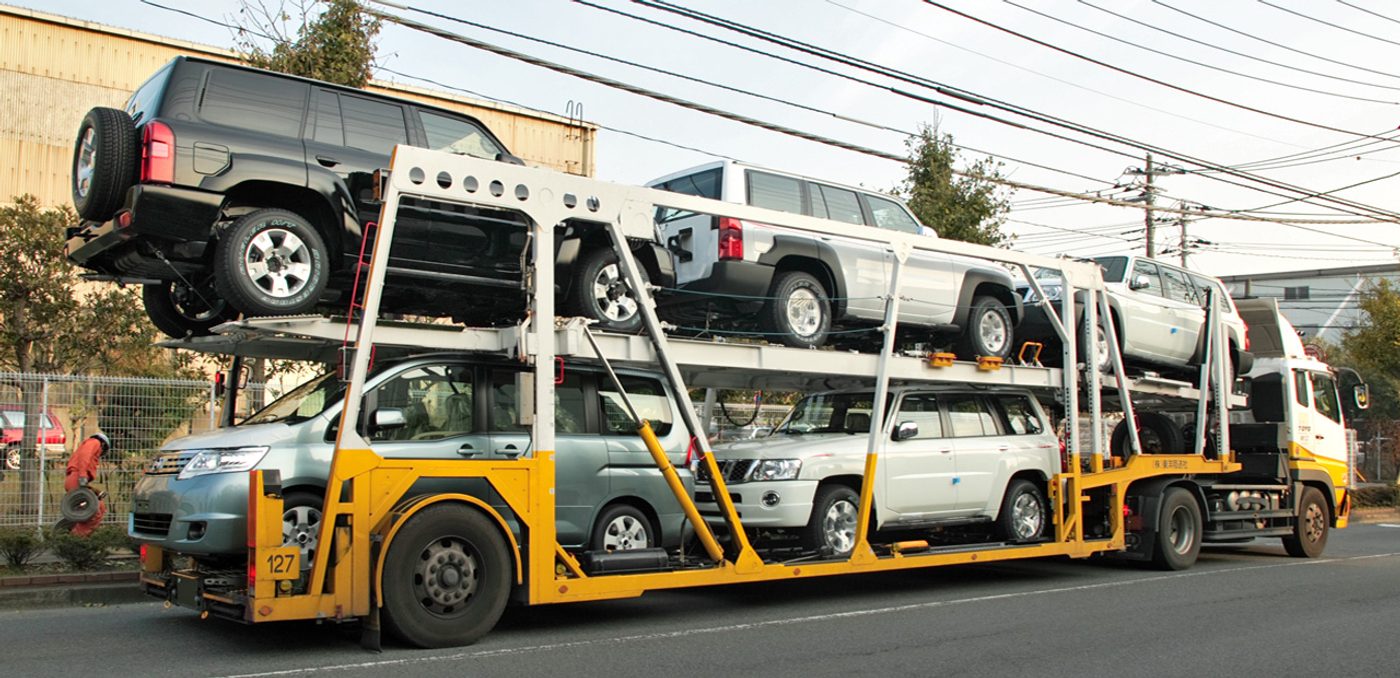
Not required. Open transport is standard and fine for most bikes. Enclosed costs more, commonly around $150 above an open-carrier rate for the same route, and that buys meaningful protection from road debris and weather for a relatively small premium.
Whether it’s worth it depends on the bike, not on a rule. For a vintage or high-value machine where exposure genuinely matters, it’s an easy call. For a daily rider getting shipped ahead of a move, open transport is the practical default and the money is better left in your pocket. Open vs. enclosed walks through the same tradeoff in full, and classic car shipping covers the collector-vehicle logic that applies to an older bike just as well.


What a quote should tell you
Ask who the actual carrier is, not just who’s taking your booking. Most bookings run through a broker who matches your bike to a carrier already heading your way, which is a legitimate model and not something to avoid, but it does mean the person quoting you often isn’t the person driving. How car shipping works explains that structure and what a normal deposit looks like.
Ask about coverage too. A bike is easier to load wrong than a car, and the strapping is where damage happens. Car shipping insurance covers what a carrier’s policy is built to handle and where the gaps sit.
What to watch for
The same lowball-then-raise pattern that plagues car shipping shows up in motorcycle transport too. A quote well under $300 for any real distance, or a broker who wants a deposit before naming the actual carrier, are the same red flags either way. See how the deposit scam works before booking.