RV Shipping Cost: Drive-Away vs. Flatbed Pricing
RV shipping runs $1-2/mi drive-away or $2-4/mi on a flatbed, putting a cross-country move anywhere from $2,500 to $10,000. Here's what decides which price you pay.
Typical cost range
$2,500 – $10,000
Open transport · 1,200 mi
This is an honest estimate built from published market pricing, not a locked quote from any single carrier or broker. Rates as of 2026-07, reviewed 2026-07-02.
An RV prices on a completely different scale than a car. Drive-away transport, where a hired driver actually pilots your motorhome to its destination, runs $1 to $2 a mile. A 2,500-mile cross-country move lands at $2,500 to $5,000. Flatbed or tow transport, for RVs that can’t be driven under their own power, runs $2 to $4 a mile and pushes that same distance to $5,000-$10,000.
Same trip, same distance, and the price roughly doubles. Which side of that line you land on is decided almost entirely by one question about your RV, and everything below is about answering it before a carrier answers it for you.
What is drive-away RV transport?
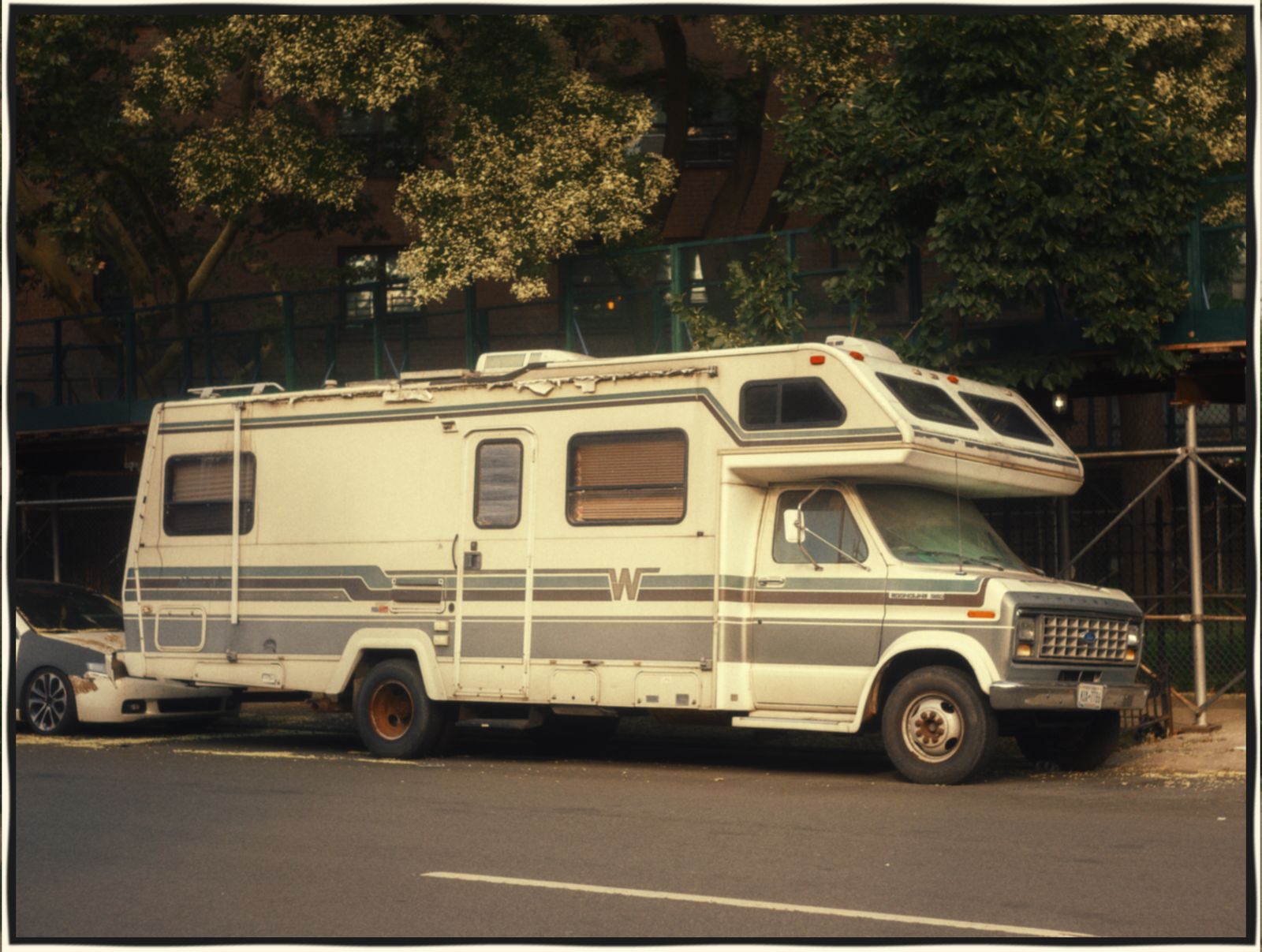
A hired driver gets in your RV and drives it to the destination under its own power. No trailer, no ramp, no specialized loading equipment, no second vehicle involved at all. That’s why it’s the cheaper option, and it’s also why it only works if the RV runs and is legally roadworthy: registered, insured, and mechanically sound enough that someone else will put a long highway run on it without ending up on a shoulder somewhere.
The tradeoff is real, though it’s easy to miss when you’re comparing quotes. Your RV arrives with those miles on the odometer and that wear on the tires, brakes, and drivetrain. For most owners moving a unit they actually use, that’s a fine trade against the flatbed rate. For a low-mileage coach you’re deliberately preserving, it isn’t, and the cheaper line item stops being the cheaper decision.

Which price applies to you?
The split comes down to one question: can the RV be legally and safely driven to its destination? A drivable Class A, Class C, or towable trailer hitched behind a truck that’s making the trip anyway often qualifies for the cheaper drive-away rate. An RV with mechanical problems, an oversized fifth-wheel that needs specialized hauling, or a unit that’s simply too large or too old to trust on a thousand-mile highway run needs flatbed or tow transport instead.
Be honest with yourself here before a carrier is honest with you at the worst possible moment. “It runs” and “it will run for 2,500 miles with a stranger at the wheel” are different claims, and a driver who arrives, starts the engine, and doesn’t like what he hears can decline the job on your driveway.


Why does flatbed cost so much more?
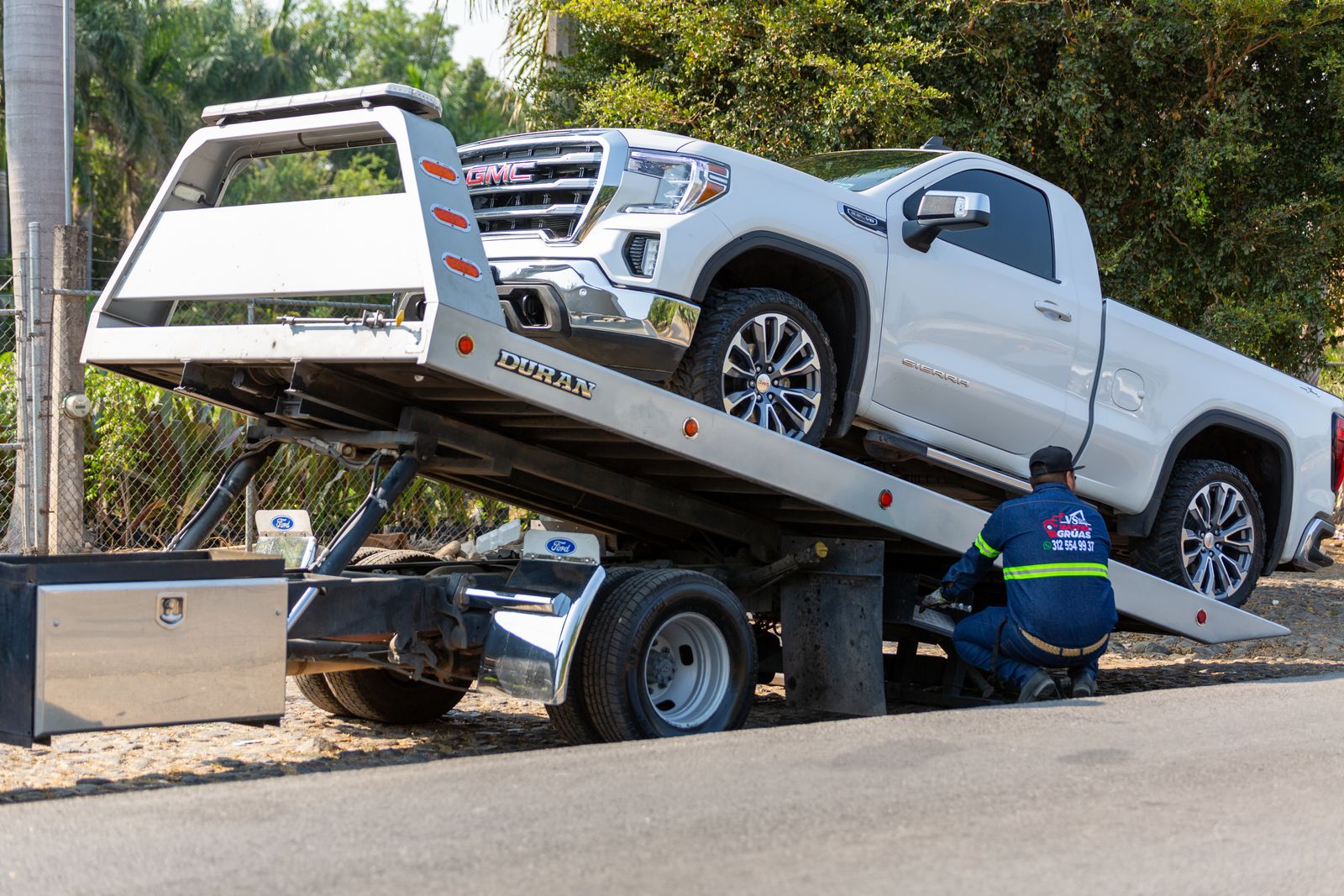
Flatbed or tow transport is for RVs that can’t be driven, whether from mechanical issues, towed trailer types, or oversized dimensions. It requires specialized equipment and more careful loading, which roughly doubles the per-mile rate.
That doubled rate isn’t padding. Drive-away needs a driver and a set of keys. Flatbed needs the truck, the trailer rated for the load, the time to get a large and awkward vehicle secured properly, and a driver who knows how to do it without damaging what he’s carrying. Carriers price for the extra gear and hours it takes to do that right, and the ones who don’t are the ones you should worry about. Boat shipping covers the oversize-load side in more detail, since a wide RV and a wide hull create the same permitting headaches for a carrier.
What drives the total up
Size matters more here than with a car. A 40-foot Class A takes real trailer or towing capacity that a smaller carrier fleet can’t provide, which narrows your pool of available drivers and can push the rate toward the top of the range. Distance still matters too: short in-state moves cost more per mile than a genuine cross-country haul, same as every other vehicle type on this site.
Timing matters at the margins as well. A narrow pool of qualified drivers means less slack in the schedule, so a tight pickup window on an oversized unit gives you less room to shop the quote. How long car shipping takes covers the general transit math, and the same distance logic applies here.
Get the category in writing
The most expensive misunderstanding in RV shipping is a quote written against the wrong category. A drive-away number attached to a unit that turns out to need a flatbed isn’t a small correction, it’s roughly double, and it arrives once you’re committed. Confirm in writing which pricing category the quote covers, and what happens to the price if the driver decides on arrival that the RV can’t be driven. How car shipping works covers the broker-versus-carrier structure and what a legitimate deposit looks like.
Ask about coverage while you’re at it. A drive-away puts your RV on the road under someone else’s operation, which is a different arrangement than a unit strapped to a trailer. Car shipping insurance explains what a carrier’s policy is actually built to cover.

If you’re also dealing with RV repairs
Shipping an RV is often the easy part. If you’re weighing whether a unit is worth the move at all, or budgeting for what needs fixing once it arrives, RV Repair Cost covers the maintenance side: honest repair-cost ranges for the systems that actually break.
What to watch for
The lowball-then-raise pattern hits RV shipping too, and the stakes are higher given the total dollar amounts involved. Get the quote in writing, confirm which pricing category (drive-away or flatbed) it actually covers, and read how the deposit scam works before you commit.
Also moving an RV? See RV Repair Cost's guide for what to check before and after transport.