How Long Does Car Shipping Take? Transit Time by Distance
Under 500 miles: 1-3 days. 500-1,500 miles: 3-7 days. Cross-country over 1,500 miles: 7-14 days. Plus 1-3 days for booking and dispatch before the clock starts.

Distance sets the baseline, and the numbers are consistent across the industry: under 500 miles typically takes 1 to 3 days. Between 500 and 1,500 miles runs 3 to 7 days. A genuine cross-country move over 1,500 miles, the kind that crosses multiple time zones on a route like East Coast to West Coast, takes 7 to 14 days.
How long does a short car shipping route take?
Anything under 500 miles is typically a 1 to 3 day move, and the 500 to 1,500 mile band runs 3 to 7 days.
Short routes are where the range feels widest relative to the drive itself, and that catches people off guard. A 400-mile trip is a morning’s drive in your own car, so a three-day quote can read as padding. It isn’t. On a short lane, the driving is almost incidental. What fills those days is the carrier fitting your pickup and your delivery into a route it’s already committed to. A move like Seattle to Denver is decided far more by when a truck is passing through than by the odometer.


How long does it take to ship a car cross country?
Plan on 7 to 14 days once the distance clears 1,500 miles. A lane such as California to New York sits squarely in that band.
Then add 1 to 3 days for booking and dispatch before pickup, so total time from booking to delivery often runs closer to two weeks. That’s the number to plan against, and it’s the one most quotes quietly leave out. A broker has to match your shipment to an available carrier, and that carrier has to fit your pickup into its existing route, all of which happens before anyone touches your car. How the booking process works covers who’s doing what during those first few days.
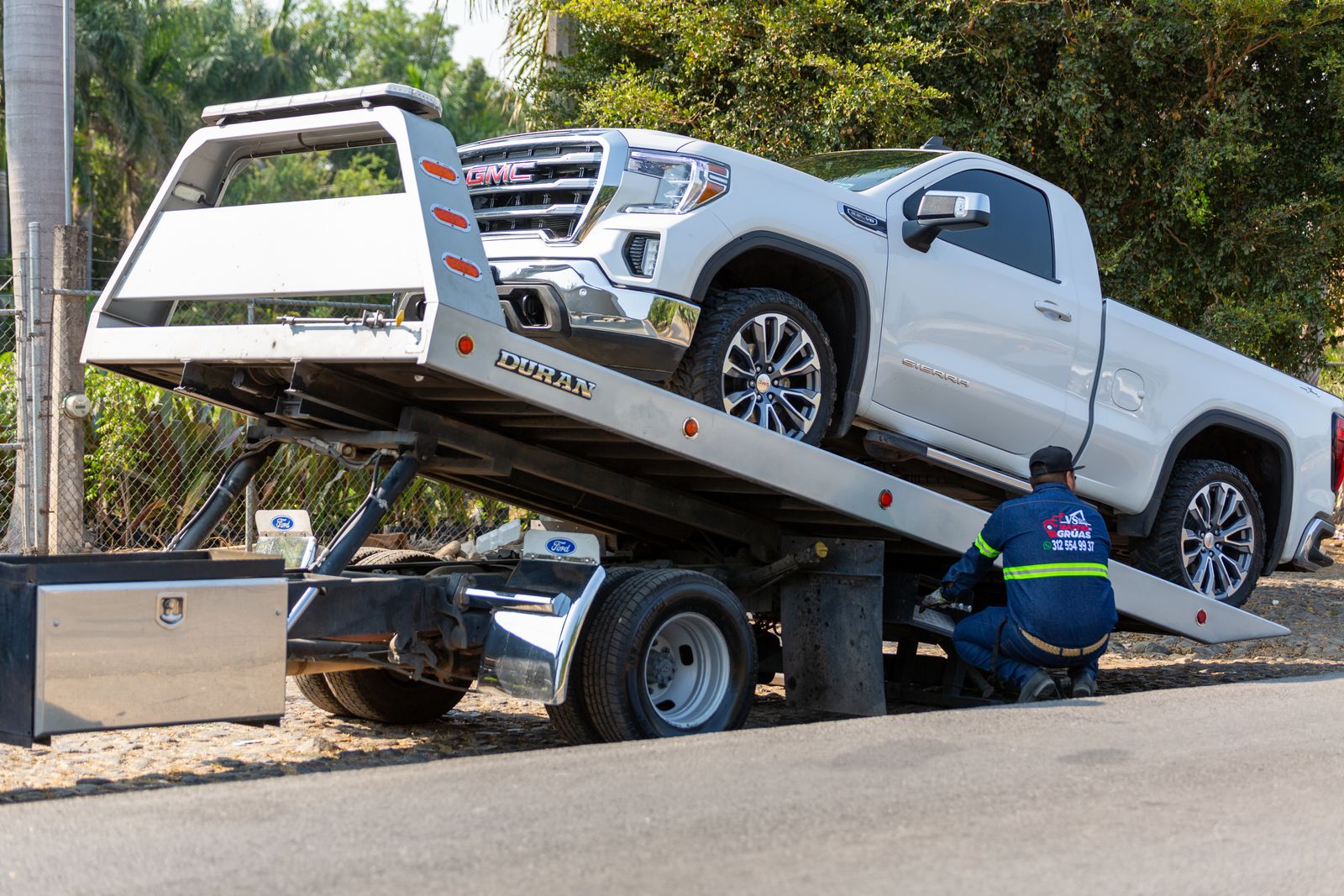
Why the range, not a single number
A carrier running your route usually isn’t driving straight from your pickup to your delivery. Auto transport trucks are multi-stop operations, picking up and dropping off several vehicles along a route that makes business sense for the driver, not necessarily the shortest path between your two addresses. That’s why “how long will it take” always comes with a range instead of a guaranteed date, and why flexible pickup windows tend to move faster than a demand for an exact day.
Flexibility is the one input you control. Everything else on this page is set by geography and by other people’s schedules.

Does enclosed transport take longer than open?
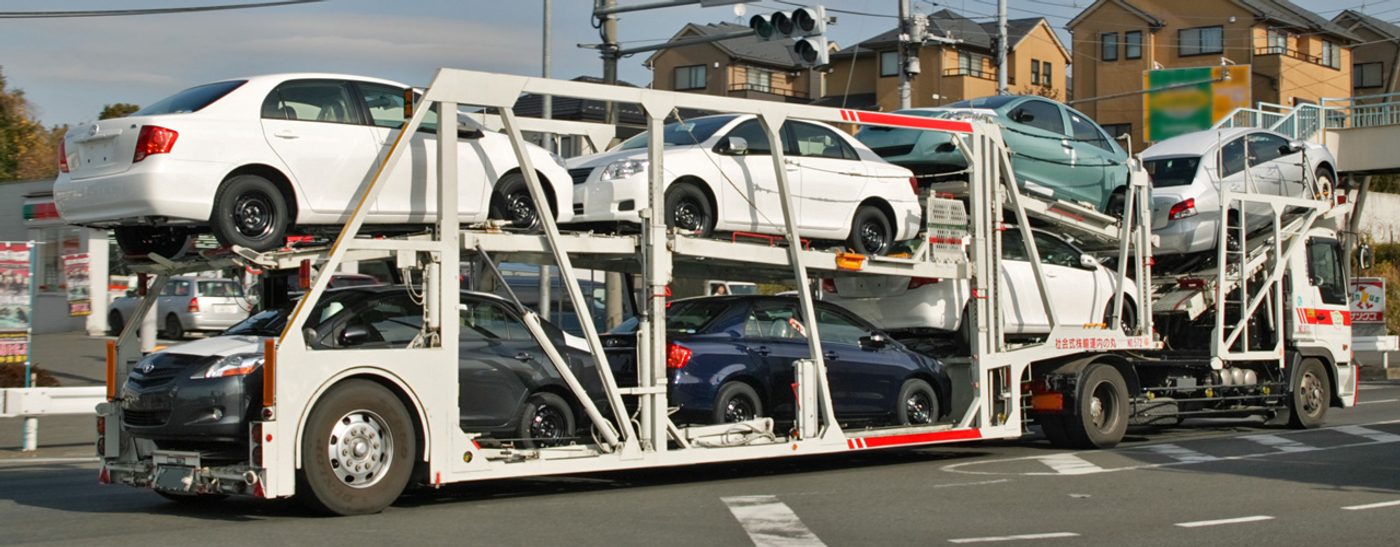
Usually not. Enclosed trailers often move faster per day, 500 to 550 miles, compared to roughly 400 miles a day for open carriers, since enclosed loads typically carry fewer vehicles and make fewer intermediate stops. Fewer cars on board means fewer detours to serve them.
That runs against the common assumption that the more careful option must be the slower one. It’s still a minor factor next to distance and carrier availability, but it can shave a day or two off a long haul, and it’s a point in enclosed’s favor that rarely makes the sales pitch. If you’re weighing the two, the full open-versus-enclosed comparison covers what the premium actually buys, and timing isn’t the reason to pick either one.
What actually slows things down
Weather is the biggest wildcard; winter storms across the northern routes or hurricane season along the Gulf Coast can add real delay regardless of how good the carrier is. No carrier controls this, and the honest ones say so instead of quoting around it.
Carrier availability on your specific lane matters too: a heavily traveled route like coast-to-coast has more trucks running it than an obscure regional pairing, which can mean a faster match at booking. This is the counterintuitive part of the timeline. A long, busy lane can start moving sooner than a short, quiet one, because the delay you’re waiting out isn’t distance, it’s the wait for a truck that’s going your way at all. Popular routes have more of them.
Setting expectations before you book
Ask for a realistic pickup window, not a single promised date, and build in a buffer if your timeline is tight (a closing date, a job start date, a move-out deadline). Plan around the far end of the range rather than the near end. If the car arrives early, nothing breaks.
A broker promising an unusually fast, guaranteed delivery date on a genuine cross-country route is worth a second look. Nobody dispatching a multi-stop truck across the country can promise a specific day, so a confident date is usually a sales tactic rather than a schedule, and it tends to arrive attached to a price that behaves the same way. See how the lowball pattern works for the broader red flags that show up alongside unrealistic timing promises.